
You're not lazy. Your brain can't find the start button.
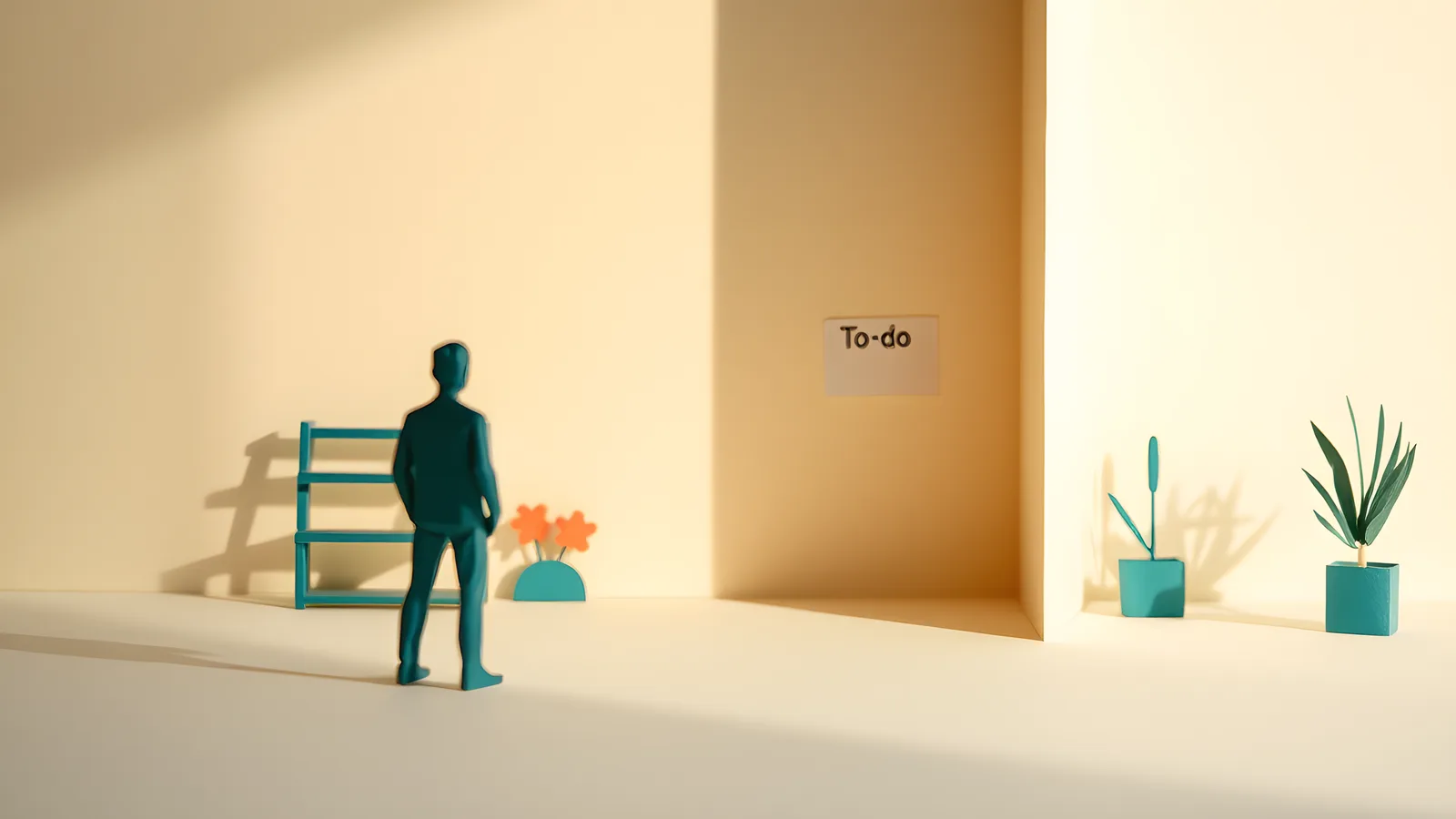
You know exactly what you need to do. It's written on the list. You've been staring at it for three days. You're not confused, you're not incapable. You just can't start. It's like there's an invisible wall between you and the task.
When someone finally sits next to you, or a deadline becomes truly urgent, suddenly you can do it in 20 minutes. And then you feel terrible, because "it was so easy, why couldn't I just do it before?"
That gap between knowing and doing is one of the most common ADHD experiences. ADHD task initiation isn't a motivation problem. It's a neurological starting failure, and understanding the difference changes everything.
In this guide, you'll learn why starting feels impossible, why most advice makes it worse, and seven strategies that actually work. If your initiation problem is tangled up with feeling overwhelmed by everything on your plate, ADHD Overwhelm Spiral: How to Pause and Reset might be the better starting point.
Why Starting Feels Impossible
Task initiation is an executive function, specifically what ADHD researcher Thomas Brown calls "activation." It's the brain's ability to organise, prioritise, and begin a task. In ADHD, this activation system is impaired at a neurological level.
The dopamine gap
The prefrontal cortex needs adequate dopamine to generate the internal "go" signal for task initiation. ADHD brains have lower dopamine levels or faulty dopamine transporters, meaning the signal is weak or absent. Research suggests ADHD brains require two to three times more dopamine stimulation to initiate tasks compared to neurotypical brains. This isn't laziness. It's neurochemistry.
Time blindness
Russell Barkley describes ADHD as creating "a blindness to time." The future feels abstract and weightless. A deadline three weeks away generates no activation energy because the ADHD brain can only effectively deal with tasks in the immediate present. This explains why last-minute urgency suddenly makes tasks possible. The future has become the present.
The interest-based nervous system
William Dodson's research shows ADHD brains are motivated by interest, novelty, challenge, competition, and urgency, not by importance or consequence. Admin tasks have none of these dopamine triggers, which is why they feel impossible despite being objectively simple.
The Wall of Awful
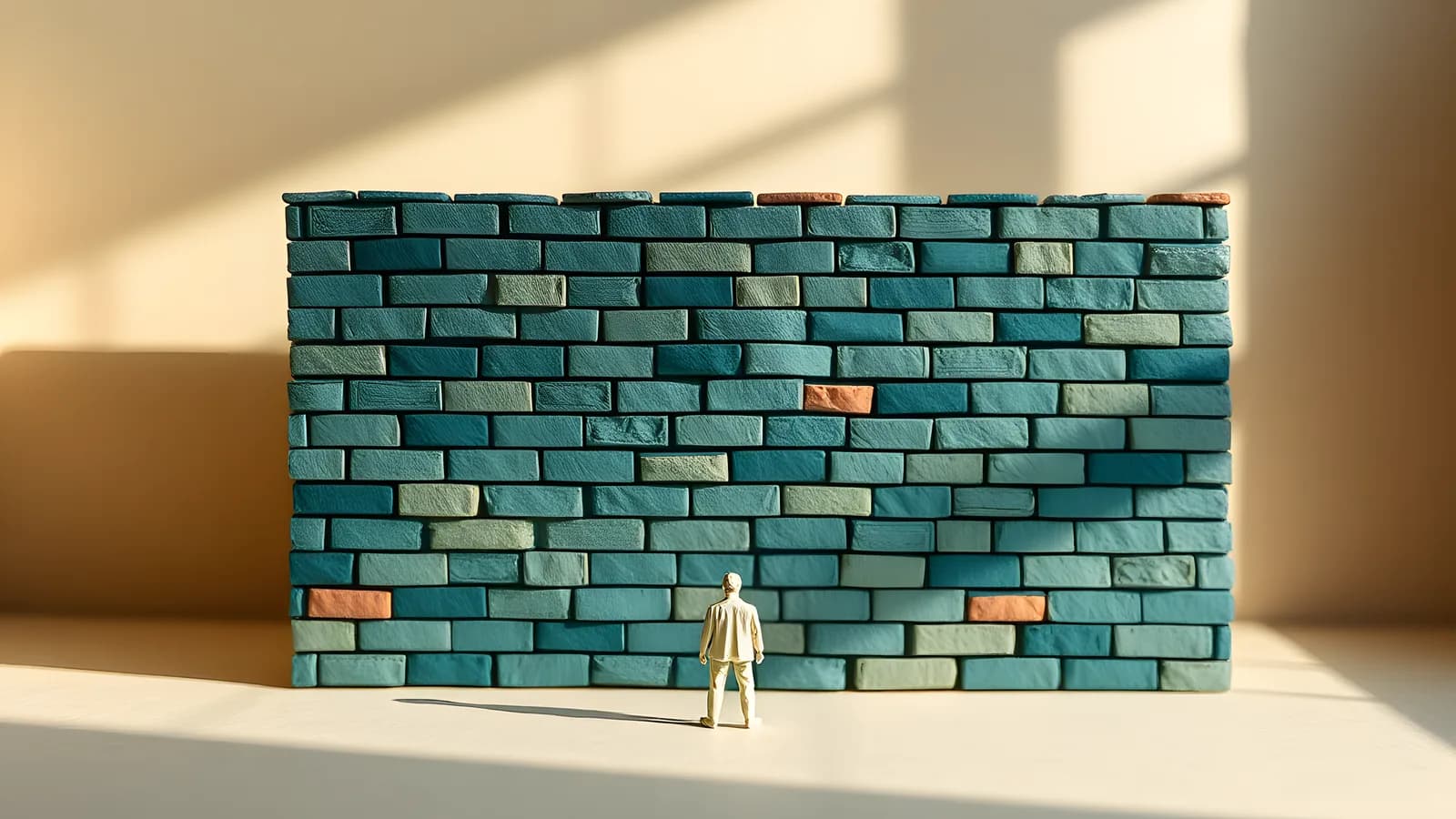
Every failed attempt at a task adds an emotional "brick" to what Brendan Mahan calls the Wall of Awful: shame, guilt, and dread. Over time, this wall becomes the primary barrier. The task itself might take 5 minutes, but the emotional wall around it is enormous. By age 12, people with ADHD have received roughly 20,000 more negative messages than peers, building this wall early.
ADHD procrastination is frequently about avoiding uncomfortable emotions (boredom, frustration, overwhelm, fear of failure), not avoiding the task itself. Poor emotional regulation amplifies this, as the ADHD brain can't easily modulate the discomfort, so avoidance becomes the default coping mechanism.
Why Most Advice Makes It Worse
"Just do it." This targets motivation, but ADHD task initiation is a neurological starting failure. The brain may desperately want to start but can't generate the signal.
"Just make a to-do list." Lists tell you what to do, but ADHD impairs the doing, not the knowing. A longer list often increases overwhelm and paralysis.
"Break it into smaller steps." This helps, but only if each step is small enough to require zero activation energy. "Write introduction" is still too big. "Open document and type one sentence" might work.
"Use willpower." Willpower depends on the prefrontal cortex, the exact system ADHD impairs. Asking someone with ADHD to use willpower is like asking someone with a broken leg to walk it off.
Seven Strategies That Actually Work

1. Implementation intentions (if-then planning)
Pre-decide your response to specific situations using "If X, then I do Y" statements. This bypasses executive function by automating the decision at the moment of action. Research shows this technique improved inhibition responses in children with ADHD to neurotypical levels.
How to do it: Write two or three implementation intentions for your most-avoided tasks. "If I sit down at my desk after coffee, then I immediately open my email and reply to one message." "If I feel the urge to avoid a task, then I set a timer for 10 minutes and just start." Place these where you'll see them: on your desk, as phone wallpaper, or as app reminders.
2. Dopamine stacking
Pair low-dopamine tasks with high-dopamine activities to borrow motivation from the enjoyable activity. This directly addresses the neurochemical deficit.
How to do it: Match boring tasks with pleasurable add-ons: admin plus favourite podcast, cleaning plus upbeat music, emails plus fancy coffee, filing plus a friend on speaker. The dopamine from the enjoyable activity kick-starts the prefrontal cortex, making initiation possible. Rotate pairings to maintain novelty.
3. The "stupidly small" first step

Make the first step so trivially small that starting requires almost zero activation energy. The goal isn't to finish. It's to breach the wall.
How to do it: Instead of "write report," your first step is "open the document." Instead of "do taxes," it's "find the folder." Instead of "clean the kitchen," it's "put one thing away." Once you've started, momentum often carries you further. But even if it doesn't, you've done something, which breaks the shame spiral.
4. Body doubling for initiation
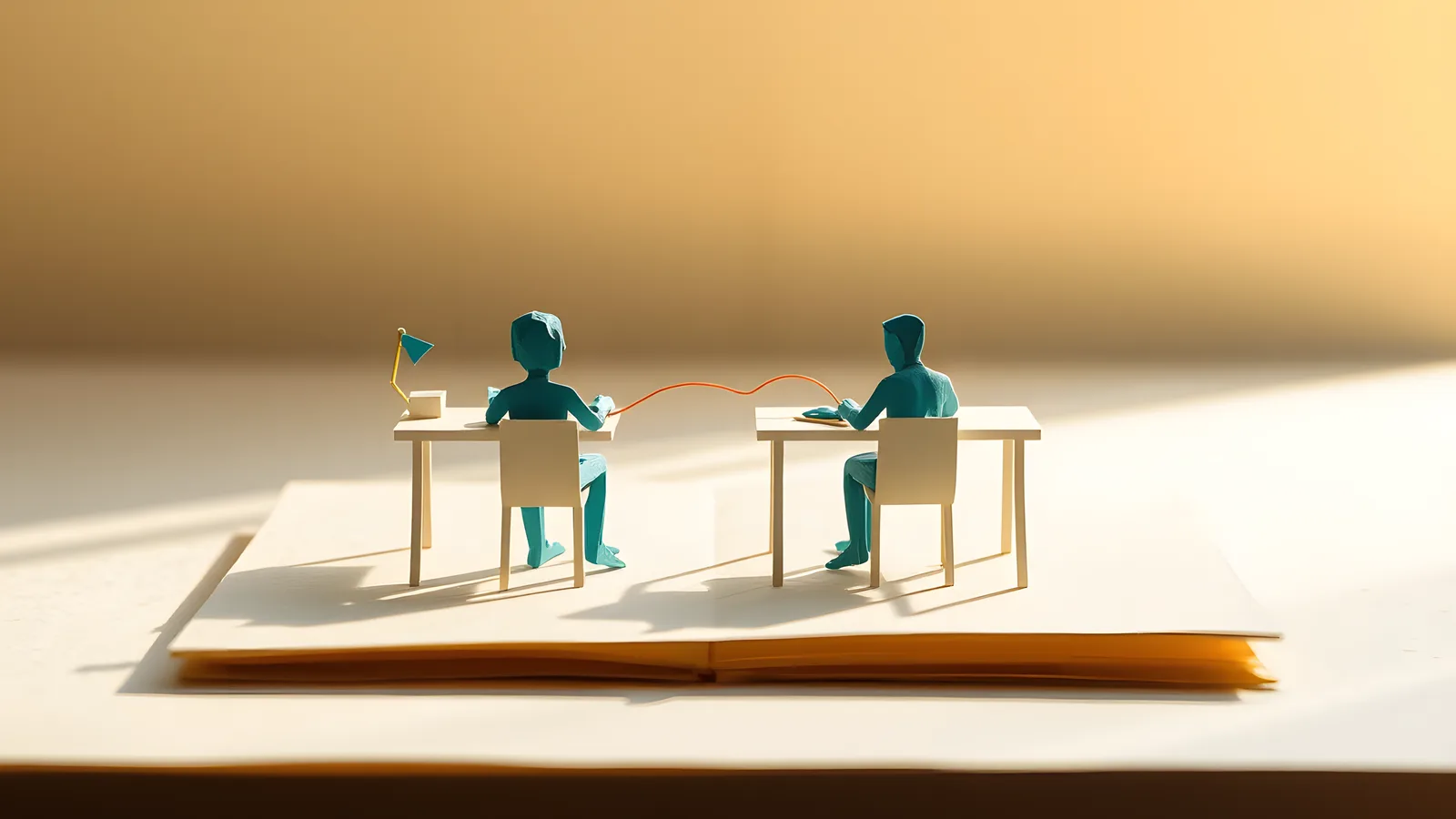
The presence of another person working provides external activation cues that compensate for weak internal starting signals. Mirror neuron engagement and mild social accountability stimulate the brain's motivation circuits. A 2024 peer-reviewed study validated this approach.
How to do it: Text a friend: "Can we be on a call while we both do our boring tasks?" Use Focusmate for structured 50-minute virtual body doubling sessions. Even working in a cafe alongside strangers provides a weaker but real version of this effect. You don't need the other person to help you. Just to be there.
5. Artificial urgency
Create deadline pressure artificially since ADHD brains often only activate under imminent time pressure. This isn't a character flaw. It's a legitimate neurological tool.
How to do it: Use visible countdown timers. Create micro-deadlines ("I'll finish this before my 11 AM meeting"). Tell someone your deadline ("I'll send this to you by 3 PM"). Gamify it ("Can I clear my inbox in 15 minutes?"). Schedule accountability check-ins where you report progress. The urgency creates a dopamine spike that enables initiation.
6. Put a door in the wall (mood elevation)
Brendan Mahan's Wall of Awful framework suggests changing your emotional state before attempting the task. Elevate mood to reduce the wall's height.
How to do it: Before tackling an avoided task, do something that lifts your mood for 5 to 10 minutes: listen to an energising song, watch a funny video, do some movement, text a friend something silly, step outside briefly. The goal is approaching the task from a better emotional baseline, making the wall feel shorter. Exercise and Dopamine: Moving Your ADHD Brain has more on how movement generates the neurochemistry you need.
7. Environmental pre-loading
Set up your environment the night before so the morning's first action requires zero decisions. External cues replace internal executive function.
How to do it: Before bed: open the document you need to work on tomorrow and leave it visible on your screen. Set out the tools you'll need. Write a sticky note with your first action. Remove distractions from your workspace. When you sit down, the environment tells you what to do, bypassing the need for internal activation. This pairs well with a solid morning routine to get the whole start-of-day sequence right.
What This Looks Like in Practice
If you're a professional: You've had "reply to that email" on your list for a week. The email itself would take three minutes. The Wall of Awful around it has grown enormous. Try the stupidly small first step: open the email. That's it. Don't reply yet. Just open it. Read it. Then close it if you want. Tomorrow, open it again and type one sentence. The wall shrinks each time you approach it without the sky falling.
If you're a parent with ADHD: The school forms have been sitting on the counter for two weeks. Every time you look at them, you feel a wave of guilt, which makes them harder to approach. Stack it: put on your favourite playlist, make a good coffee, and sit down with the forms during a body double call with a friend. The social presence plus dopamine from the music gets you past the wall.
If you're supporting someone with ADHD: Don't say "just do it." Don't say "what's so hard about this?" Instead, offer to sit with them while they do it. Body doubling is one of the most effective initiation tools, and it costs you nothing but your presence.
Key Takeaways
- ADHD task initiation is a neurological starting failure, not laziness. Your prefrontal cortex can't generate the "go" signal without sufficient dopamine.
- The Wall of Awful (accumulated shame and dread around avoided tasks) is often a bigger barrier than the task itself.
- Bypass executive function: use implementation intentions, environmental pre-loading, and the "stupidly small" first step to automate the start.
- Borrow activation from outside: body doubling, dopamine stacking, and artificial urgency provide the external cues your brain needs.
- Breaking through once shrinks the wall for next time. Every time you approach a task and survive, the emotional barrier gets smaller.
Related Reading
- Deep Work for ADHD: Focus Strategies That Stick - Once you've started, these strategies help you stay in the zone.
- ADHD Overwhelm Spiral: How to Pause and Reset - When the task list itself is the problem, this guide covers the triage and reset process.
- The ADHD Morning Routine That Actually Works - Building morning activation into a system so you don't start every day behind.
- Emotional Regulation for ADHD: 5 Neuroscience-Based Tools - The emotional component of procrastination and how to manage it.